2026-ல் ஜெர்மனி மற்றும் நெதர்லாந்திலிருந்து விதை உருளைக்கிழங்கு இறக்குமதியை பெலாரஸ் அதிகரிக்கிறது.
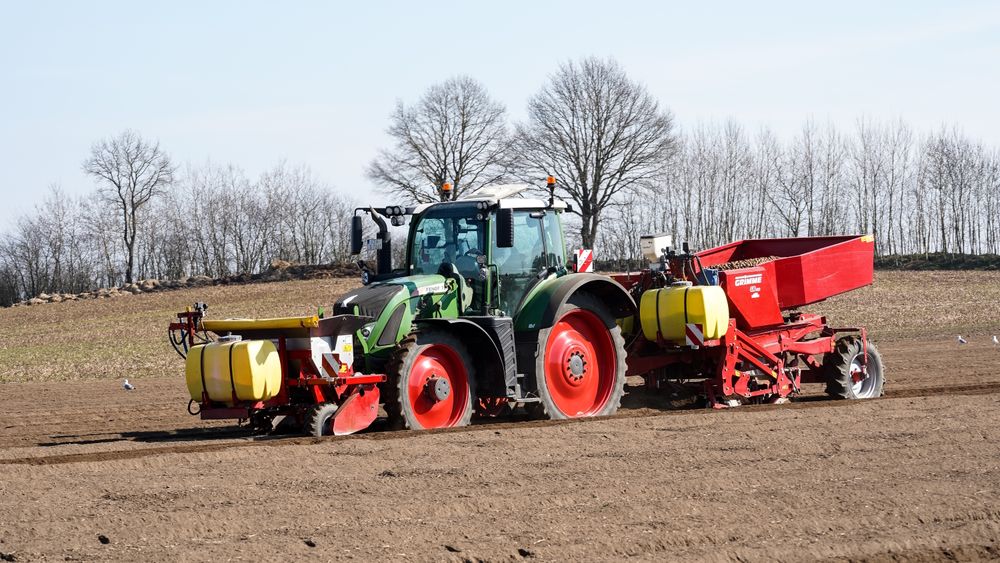
Belarus increased seed potato imports from Germany by 12.3% and from the Netherlands by 2.6 times in January–July 2026, with Poland resuming small shipments — according to an AB-Centre study of 2001–2026 trade data.
Belarus is buying more European seed potatoes ahead of planting. According to an AB-Centre study of the country’s seed potato imports and exports over 2001–2026, Germany supplied around 1,900 tonnes of seed potatoes to Belarus in January–July 2026 — 12.3% more than in the same period of 2025, by AB-Centre’s calculations based on German statistical data. Almost the entire volume was delivered in March and April, directly ahead of the planting season.
Dutch shipments multiply. The Netherlands, the second-largest EU supplier to Belarus, increased shipments even more sharply in relative terms: Belarus imported 2.6 times more Dutch seed potatoes in January–July 2026 than a year earlier, though the absolute volume remained below Germany’s. Most of these deliveries likewise concentrated in March and April — the classic pre-planting window that signals where the seed is actually going: into the ground, not into storage.
வார நாட்களில். ஒரே சொடுக்கில் சந்தாவிலிருந்து விலகலாம்.
Poland returns, others stay out. Poland resumed seed potato shipments to Belarus in 2026 after a pause, supplying a small volume of around 140 tonnes. Meanwhile, official statistics from the respective countries show that Belarus has not imported seed potatoes from Finland, France, Latvia, Lithuania or the United Kingdom in recent years — a supplier map shaped as much by logistics and phytosanitary paperwork as by price. The absence of France is particularly notable: French seed breeders are among Europe’s largest exporters, yet none of their seed reaches Belarusian fields through official channels.
Why seed trade is a leading indicator. Seed purchases this spring reveal more about Belarusian potato strategy than any production forecast: growers and state procurement are betting on imported European genetics — predominantly German — to renew domestic stock. Rising import volumes typically signal both confidence in the coming season’s economics and pressure on domestic seed systems to deliver quality at scale. The timing discipline (nearly everything landing in March–April) also shows a supply chain that works despite the broader trade frictions surrounding Belarus.
என்ன பார்ப்பது. Whether Poland’s return grows beyond a token 140 tonnes in 2027 will indicate if Belarusian buyers are diversifying or simply filling gaps. And the complete absence of Baltic and Nordic suppliers keeps Germany and the Netherlands firmly in control of this niche — comfortable for exporters, but a concentration risk for Belarusian producers if logistics or phytosanitary conditions tighten. A longer AB-Centre view (the study spans 2001–2026) would show whether this year’s volumes are a new plateau or still far below the peaks of the 2000s — that historical context matters for judging whether Belarus is rebuilding its seed base or merely maintaining it.
One structural question the data leaves open: how much of the imported seed ends up in commercial production versus household plots, which still supply a large share of Belarusian consumption. The March–April concentration suggests organized buyers, but only the autumn harvest figures will show whether the imported genetics translated into measurable yield gains.
ஆதாரங்கள்: ஃப்ரெஷ் பிளாசா (AB-Centre study, based on German official trade statistics); general Belarus foreign-trade reporting for the same period: பெல்ஸ்காட் (Belarus national statistics committee).